


How to Clean a Powder-Coated Decorative Radiator Without Scratching or Dulling the Finish
How to Clean a Powder-Coated Decorative Radiator Without Scratching or Dulling the Finish
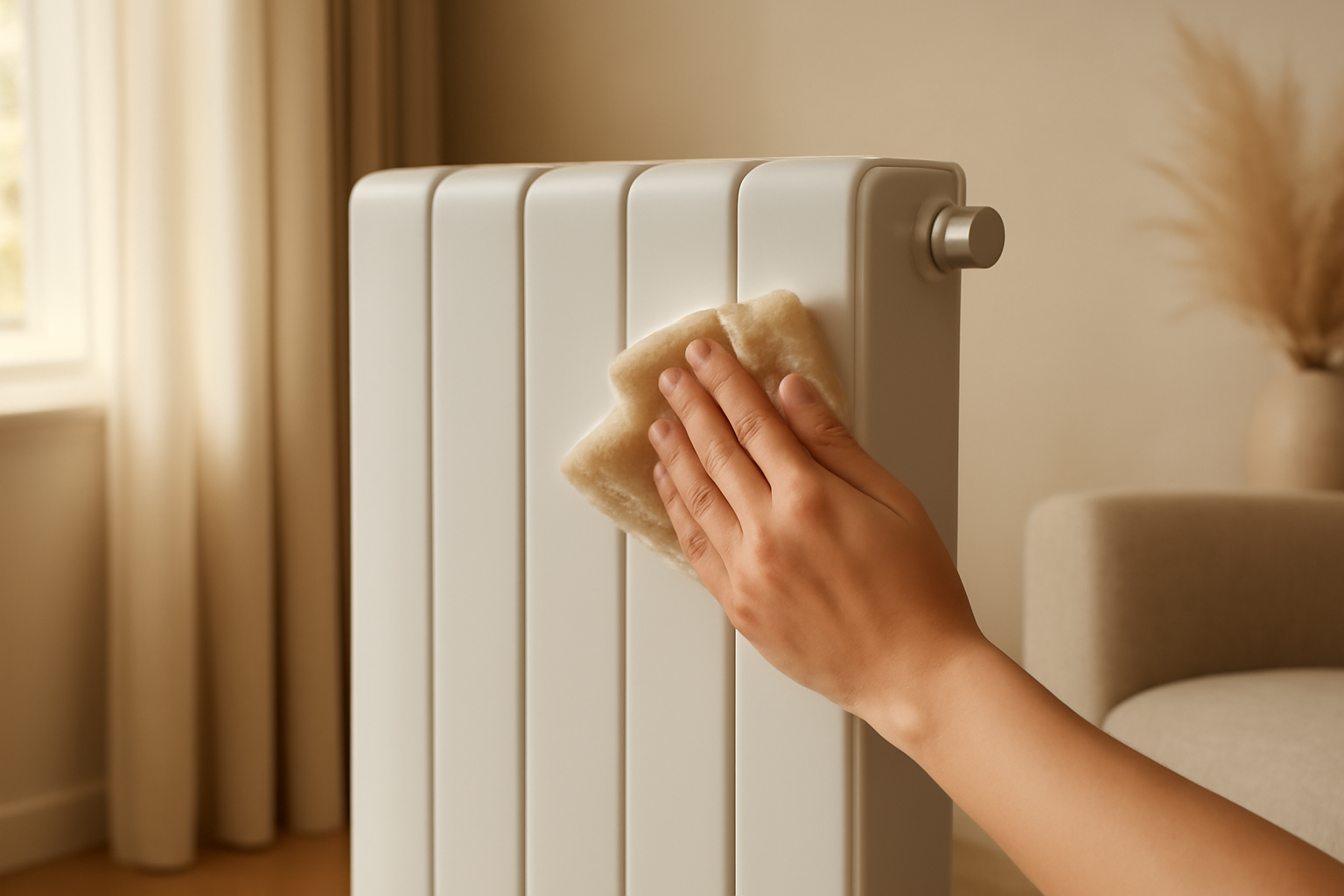
A decorative radiator can be one of the most visible details in a room, especially when it has a bold color, sculptural profile, or carefully finished surface. However, its appearance can quickly suffer from dust, fingerprints, cooking residue, pet hair, and everyday marks. The right cleaning routine keeps the radiator looking refined without damaging the coating that protects the metal underneath.
Effective decorative radiator cleaning does not require harsh chemicals or aggressive scrubbing. In most cases, the safest approach is simple: allow the radiator to cool, remove loose dust with a soft tool, clean with a mild solution, and dry the surface thoroughly. This guide explains how to clean a powder-coated radiator while preserving its color, texture, and protective finish.
Why Powder-Coated Radiators Need Gentle Cleaning
Powder coating is a durable finish created by applying a dry powder to a prepared metal surface and curing it with heat. The result is a continuous decorative and protective layer that is more resilient than many conventional liquid paints. Even so, it is not completely immune to scratches, abrasion, strong solvents, or unsuitable cleaning tools.
Repeated use of rough sponges, scouring pads, abrasive powders, or strong degreasers can gradually change the appearance of the surface. A dark finish may develop visible dull patches, while a textured or satin finish may become uneven. Small scratches can also collect dust and make future cleaning more difficult.
Good radiator finish maintenance is therefore based on prevention. Remove loose particles before wiping, use controlled pressure, avoid unnecessary moisture around valves and electrical components, and never treat a decorative radiator like a heavily soiled industrial surface.
Before You Start: Safety and Preparation
Turn the radiator off and let it cool
Cleaning a hot radiator can cause streaking because water or cleaner evaporates too quickly. It can also create a burn risk and make it harder to judge whether the surface is genuinely clean. Turn off the heating and wait until the radiator is cool to the touch before beginning.
If the radiator is connected to a thermostatic or manual valve, avoid applying water directly to the valve, control head, joints, or pipe connections. For electric models, follow the product’s safety instructions and isolate the power before cleaning. Do not spray liquid onto controls, wiring, sockets, or other electrical parts.
Check the finish in an inconspicuous area
Even a mild cleaner can behave differently depending on the coating, surface texture, age, and previous maintenance products used. Test your cleaning solution on a small, hidden area first. Apply it with a soft cloth, wait briefly, and check for color change, cloudiness, tackiness, or loss of sheen.
Gather the right tools
- A soft microfiber cloth or clean cotton cloth
- A soft-bristled brush for grooves and narrow spaces
- Warm water
- A small amount of mild, pH-neutral soap
- A second cloth for rinsing
- A dry, lint-free towel
- A vacuum cleaner with a soft brush attachment, if available
The best non-abrasive radiator cleaner is often a diluted solution of mild soap and warm water. You generally do not need a specialized chemical product unless the radiator manufacturer specifically recommends one for a particular type of residue.
How to Clean a Powder-Coated Radiator Step by Step
1. Remove loose dust and particles
Start with the least aggressive method. Use a vacuum cleaner with a soft brush attachment or a dry microfiber cloth to remove dust from the front, top, sides, and spaces between the panels or tubes.
For narrow gaps, use a soft-bristled detailing brush. Move the brush gently rather than forcing it into tight spaces. Loose grit is one of the main causes of accidental scratches because it can become trapped between the cloth and the coating during wet cleaning.
2. Prepare a mild cleaning solution
Mix a small amount of mild pH-neutral soap into warm water. The solution should be lightly soapy, not heavily concentrated. Stronger is not necessarily better: excessive detergent can leave a film that attracts dust and may require additional wiping.
Avoid mixing cleaning chemicals. Do not combine soap with bleach, ammonia, acids, solvents, or other household products. Never use paint thinner, acetone, abrasive cream, oven cleaner, drain cleaner, or concentrated degreaser on a powder-coated decorative radiator.
3. Wipe with light, even pressure
Dampen a soft microfiber cloth and wring it out well. The cloth should be moist rather than dripping. Wipe in straight, overlapping passes or follow the shape of the radiator without scrubbing aggressively.
Work from the cleaner areas toward the dirtier areas and rinse the cloth frequently. Turning or replacing the cloth prevents collected dust from being dragged across the surface. If the radiator has a textured finish, use gentle movements that follow the texture rather than rubbing repeatedly against it.
4. Treat stubborn marks carefully
For fingerprints, light grease, or dried splashes, place the damp cloth over the mark for a few seconds to soften it. Then wipe gently. Repeat the process if necessary instead of increasing pressure.
Do not use a knife, scraper, scouring pad, melamine foam, steel wool, or rough brush to remove residue. These tools may remove the mark, but they can also leave permanent changes to the coating. If a substance has hardened onto the radiator, it is better to identify the residue and seek suitable care guidance than to scrape it away.
5. Wipe away soap residue
Use a second clean cloth dampened with plain water to remove any remaining soap. This step is important because detergent residue can create streaks, especially on darker or satin-finish radiators.
Keep the amount of water under control. Do not flood the radiator or allow water to run into joints, vents, valves, electrical controls, or the wall behind it. If water does reach a sensitive area, wipe it immediately and allow the area to dry fully.
6. Dry the radiator completely
Finish with a clean, dry, lint-free towel. Dry the visible surfaces, edges, corners, and spaces around fittings. Proper drying helps prevent water spots and limits the risk of moisture remaining around connections.
Do not turn the heating back on until the radiator is dry. Once it is operating again, avoid placing wet towels or damp fabrics against the surface unless the radiator is specifically designed for that purpose.
Cleaning Methods Compared
| Cleaning method | Best use | Advantages | Potential risk |
|---|---|---|---|
| Dry microfiber cloth | Routine dust removal | Fast, gentle, and low moisture | May spread greasy marks if the surface is not pre-cleaned |
| Soft vacuum brush | Dust in grooves and narrow spaces | Removes loose particles without rubbing | A hard attachment can scratch the coating |
| Diluted mild soap and water | Fingerprints, light dirt, and everyday marks | Effective and suitable for regular care | Excess water or soap residue can cause streaks |
| Strong solvent or abrasive cleaner | Generally not recommended | May remove difficult residue quickly | Can dull, discolor, soften, or damage the finish |
What to Avoid When Cleaning a Decorative Radiator
Several common cleaning habits can shorten the visual life of a powder-coated finish. Avoid the following:
- Abrasive pads and powders: These can create fine scratches and uneven sheen.
- Melamine foam: Although it looks like a sponge, it works as a fine abrasive and may dull the coating.
- Solvent-based products: Acetone, thinner, and similar products may affect the finish or leave permanent marks.
- High-pressure steam: Heat and moisture can enter areas that should remain dry, including valves and electrical components.
- Hard brushes: Stiff bristles can damage corners, textured surfaces, and raised details.
- Spraying directly onto the radiator: Liquid can run into controls, joints, and wall surfaces.
- Cleaning while hot: This increases streaking and safety risks.
- Polishing products: Furniture polish, wax, and silicone-based products may leave a slippery film or alter the intended sheen.
Radiator Surface Protection and Ongoing Care
The easiest way to protect a decorative radiator is to clean it lightly and regularly. A quick dusting every one or two weeks can prevent particles from building up in corners and grooves. A damp clean can usually be performed when visible marks appear rather than on a fixed schedule.
Keep furniture, storage boxes, and cleaning equipment from rubbing against the radiator. When decorating, cover the radiator carefully and prevent paint, plaster, adhesive, and construction dust from settling on the surface. If renovation work is taking place, avoid sealing a damp or dusty radiator beneath protective material for a long period.
Bathrooms and kitchens may require more frequent cleaning because humidity, aerosols, cooking vapors, and mineral deposits can settle on the finish. Ventilation helps reduce buildup and supports better overall decorative radiator care.
Practical Buying Guidance for Easier Maintenance
If you are choosing a new decorative radiator, cleaning requirements should be part of the buying decision. Consider the following features:
- Accessible geometry: Designs with reachable surfaces are easier to dust and wipe than highly enclosed shapes.
- Sensible spacing: Adequate gaps between bars or panels make it easier to remove dust without forcing a cloth into narrow openings.
- Durable, even finishing: Ask about the type of finish and the recommended cleaning method before purchase.
- Suitable color and sheen: Very glossy dark surfaces can show fingerprints and water marks more clearly than lighter or textured finishes.
- Easy access to valves: A well-positioned valve makes maintenance safer and reduces the chance of knocking or wetting the control.
- Correct sizing: Radiator output depends on design, dimensions, water temperature, flow, and test conditions. Choose a model based on the room’s heating requirement rather than appearance alone.
A radiator that is attractive but difficult to access may require more time to maintain. The best choice balances appearance, heating performance, installation requirements, and everyday usability.
Frequently Asked Questions
Can I use glass cleaner on a powder-coated radiator?
It is better not to use glass cleaner unless the radiator manufacturer specifically approves it. Some glass cleaners contain alcohol, ammonia, solvents, or additives that may affect the coating. Mild soap diluted in warm water is usually a safer option.
Can I clean the radiator with a steam cleaner?
Steam cleaning is not generally recommended for a decorative radiator. Steam can force moisture into valves, joints, electrical parts, or wall connections, and excessive heat may affect surrounding materials. Use a damp cloth instead.
How can I remove greasy fingerprints?
Use a soft cloth dampened with warm water and a small amount of mild soap. Hold the cloth over the mark briefly, then wipe gently. Rinse with a clean damp cloth and dry immediately.
Why does my radiator look dull after cleaning?
Dullness may be caused by soap residue, an unsuitable cleaner, abrasive rubbing, or natural wear. First, wipe the surface with clean water using a soft cloth and dry it thoroughly. If the dull area remains, do not apply polish or abrasive products, as these may make the finish more uneven.
Can I use a rough sponge on a textured radiator?
No. Textured finishes can trap abrasive particles, and rough sponges may wear the raised areas unevenly. Use a soft microfiber cloth or a soft brush instead.
How often should I clean a decorative radiator?
Dust it regularly, especially in rooms with pets, open windows, or high foot traffic. A deeper wipe with mild soap and water can be done whenever visible marks or buildup appear. Regular gentle cleaning is safer than infrequent aggressive scrubbing.
Conclusion
Safe decorative radiator cleaning is mainly about using the least aggressive method that achieves the desired result. Remove loose dust first, choose a soft cloth and mild solution, use minimal moisture, avoid abrasive products, and dry the radiator completely. With consistent radiator finish maintenance, a powder-coated decorative radiator can retain its color, texture, and refined appearance for years.
Contact Us
For product information and help choosing the right solution, contact Isti Radiator.