


Decorative Radiator Placement: A Practical Guide to Clearances, Airflow, Valve Access, and Easy Cleaning
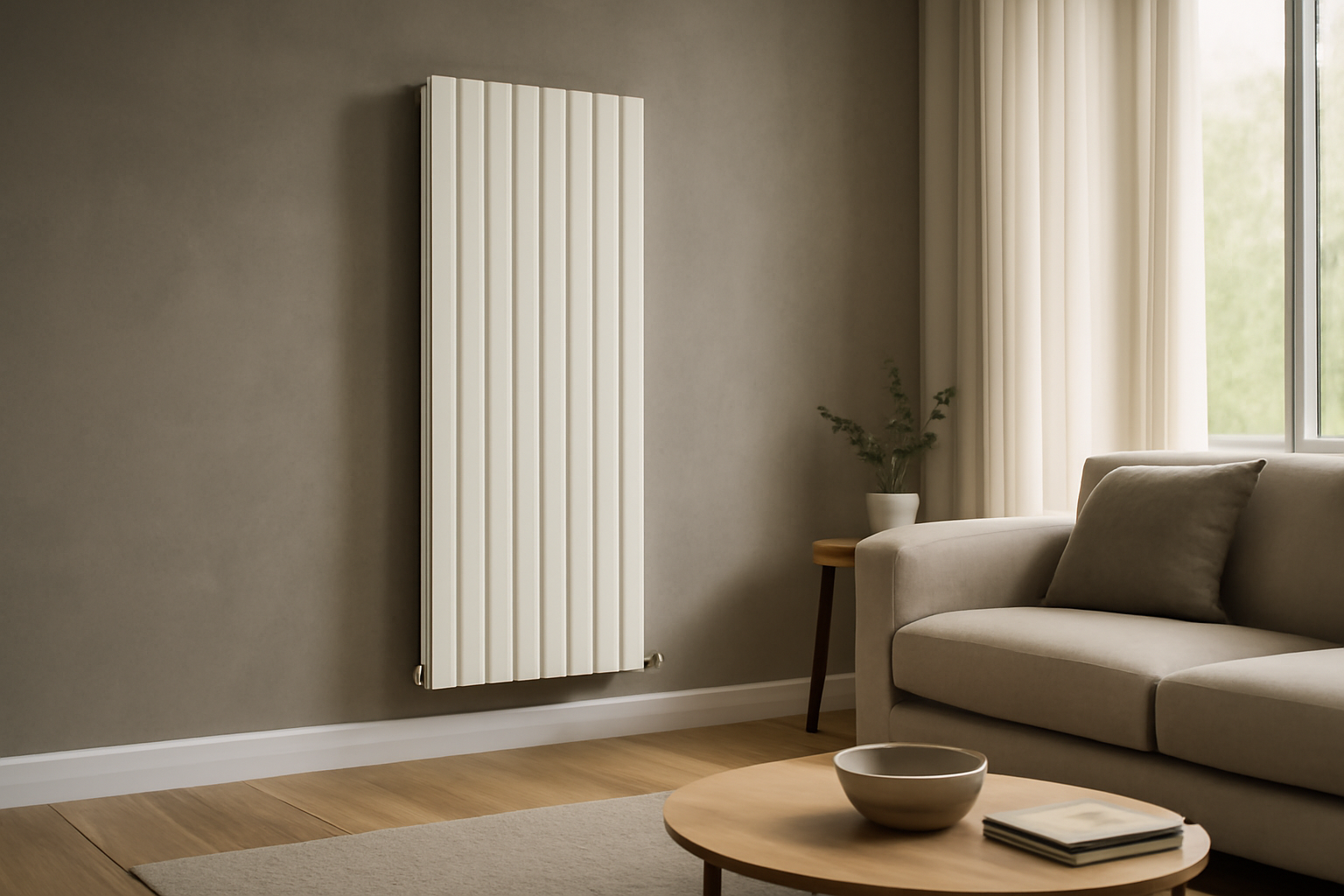
Decorative Radiator Placement: A Practical Guide to Clearances, Airflow, Valve Access, and Easy Cleaning
A decorative radiator can become one of the most attractive features in a room, but its position should be chosen for more than appearance. The right location affects heat distribution, energy efficiency, daily comfort, valve access, cleaning, and long-term maintenance.
Whether you are planning a new decorative radiator installation or replacing an existing model, careful positioning helps the radiator perform as intended while keeping the surrounding space practical. This guide explains the key principles of decorative radiator placement, including clearance requirements, airflow, thermostatic radiator valve placement, bathroom safety, and easy cleaning.
Why Decorative Radiator Placement Matters
Radiators heat a room by transferring warmth to the surrounding air and nearby surfaces. If a radiator is positioned where air cannot circulate properly, part of its heating potential may be wasted. Furniture, curtains, deep window ledges, and tightly fitted cabinets can all restrict the movement of warm air.
Placement also influences how the radiator looks within the room. A well-positioned model can complement a window, balance an empty wall, or create a practical focal point in a bathroom. A poorly positioned radiator may appear crowded, make furniture difficult to arrange, or leave valves and pipe connections inconvenient to use.
Before installation, assess four essentials:
- Heat performance: Can warm air rise and circulate freely?
- Clearance: Is there enough space around the radiator and its connections?
- Access: Can you easily reach the valves, bleed point, and pipework?
- Maintenance: Can the radiator and the wall behind it be cleaned?
Choosing the Best Wall for a Decorative Radiator
Under a window
Installing a radiator beneath a window is a traditional solution because it can help counteract cooler air near the glass. This position can also use wall space efficiently, particularly in rooms where furniture is arranged around the perimeter.
However, check the relationship between the radiator, the window sill, and the curtains. Curtains should not hang directly over the radiator front, as they may trap warm air between the radiator and the window. If the radiator is beneath a deep sill, make sure there is still room for warm air to rise into the room.
On an internal wall
An internal wall can be a good option when the exterior walls have limited space or when the radiator is being used as a strong design feature. This location may make it easier to create a balanced arrangement with artwork, mirrors, or bathroom furniture.
When using an internal wall, avoid placing the radiator directly behind a large sofa, bed, or storage unit. Even if the unit does not touch the radiator, it can obstruct airflow and reduce the way heat spreads across the room.
On a feature wall
A decorative radiator may be intentionally positioned on a visible feature wall. This works especially well with vertical radiators, sculptural panel designs, and finishes that complement the interior palette.
For the best result, treat the radiator as part of the room composition. Consider the visual relationship between its height, width, pipe positions, furniture, lighting, and nearby architectural features. A striking radiator should have enough surrounding space to be seen clearly rather than appearing squeezed into a narrow gap.
Radiator Clearance Requirements
Clearance is essential for both performance and maintenance. Exact requirements depend on the radiator design, installation method, manufacturer instructions, local regulations, and the heating system. Always follow the technical guidance supplied with the selected model and confirm dimensions before drilling or connecting pipework.
As a practical planning principle, allow space:
- Above the radiator: Enough room for warm air to rise without being blocked by a sill, shelf, cabinet, or decorative object.
- In front: Enough space to prevent sofas, towels, curtains, and storage from restricting heat circulation.
- At the sides: Enough room to operate valves and clean the radiator edges.
- Below: Enough space for floor cleaning, pipe connections, and unobstructed airflow.
- Behind: Sufficient room for brackets, wall protection, and safe pipe alignment.
Do not rely only on the radiator body dimensions. Add the space needed for brackets, valves, connectors, skirting boards, window trim, and any finishing details. A radiator that technically fits the wall may still be difficult to install or maintain if these additional dimensions are ignored.
Radiator Airflow and Heat Distribution
Good radiator airflow supports more even heat distribution. As the radiator warms, air near its surface rises and draws cooler air toward the lower part of the radiator. This natural movement is easily disrupted when the radiator is enclosed or covered.
Avoid placing a decorative radiator:
- Behind a full-height curtain that remains closed for long periods.
- Inside a tightly enclosed cabinet without suitable ventilation.
- Directly behind a large piece of furniture.
- Immediately beneath a shelf that blocks rising warm air.
- Where towels or clothing are likely to cover most of the heating surface.
Decorative radiators with open sections, rails, or vertical channels may allow air and heat to move differently from flat or enclosed designs. The design, dimensions, water temperature, flow rate, connection arrangement, and test conditions all affect heat output. Therefore, compare heat output using the manufacturer’s stated rating and the test standard provided, rather than judging performance by appearance alone.
Thermostatic Radiator Valve Placement
Thermostatic radiator valves, commonly called TRVs, regulate water flow according to the temperature around the valve head. Their position matters because the valve must sense representative room conditions.
Keep the valve away from false heat readings
A TRV can read inaccurately if it is enclosed behind curtains, trapped between the radiator and furniture, or exposed to a strong draught. In these situations, the valve may sense a temperature that does not reflect the rest of the room.
Where possible, keep the valve in open air and ensure it can be adjusted without moving furniture. Horizontal or angled valve arrangements may be useful where a vertical radiator is installed close to a wall, but the correct configuration depends on the radiator and pipework layout.
Plan access before pipework is installed
Valve access should be considered before the radiator is mounted. Check whether the handle will be blocked by a skirting board, cabinet, towel, shower screen, or adjacent wall. Leave enough hand clearance to turn the control comfortably and to remove or service the valve if necessary.
For more complex installations, especially in bathrooms or narrow hallways, it is sensible to mark the radiator outline and valve positions on the wall using masking tape. This simple step can reveal access problems before any permanent work begins.
Bathroom Radiator Safety and Placement
Bathroom radiator placement requires particular care because water, steam, electrical equipment, and limited floor space may exist close together. A heated towel radiator should be positioned where towels can be hung conveniently without covering the entire heating surface or interfering with controls.
Consider the following points:
- Keep the radiator away from splash-prone areas unless the product and installation arrangement are suitable for that location.
- Follow local electrical safety zones and building requirements where electrical equipment is present.
- Do not use the radiator as a support or climbing aid.
- Make sure wall fixings are appropriate for the wall construction and radiator weight.
- Leave enough space to clean behind and around the radiator, particularly near the floor.
- Position valves where they will not be struck by doors, drawers, or bathroom furniture.
In a small bathroom, a vertical decorative radiator can use wall height while preserving valuable floor area. A towel rail may be more practical than a flat panel if regular towel drying is a priority, but the available heating output should still be checked against the room’s requirements.
Design Options and Placement Considerations
| Radiator type | Placement strengths | Points to check |
|---|---|---|
| Horizontal decorative radiator | Works well beneath windows and across wider wall sections | Check window sills, curtains, furniture depth, and side valve access |
| Vertical decorative radiator | Uses wall height and can suit narrow rooms or feature walls | Confirm ceiling, door, furniture, and valve clearances |
| Towel radiator | Provides practical towel-hanging space in bathrooms and utility rooms | Ensure towels do not permanently cover the heating area |
| Open-column or rail design | Can create a lighter visual appearance and allow flexible access | Check cleaning between sections and the stated heat output |
| Stainless steel radiator | Offers a durable, contemporary finish when correctly specified | Confirm grade, construction, compatibility, and maintenance instructions |
Understanding Stainless Steel 304
Stainless steel 304 is an austenitic stainless steel commonly used where corrosion resistance, strength, and a clean appearance are important. It contains chromium and nickel, which help form a passive protective layer on the surface.
For radiator applications, 304 stainless steel can be an attractive choice, particularly in modern bathrooms and interiors where the finish is part of the design. However, the grade alone does not determine the complete performance of a radiator. Construction quality, welds, surface finishing, wall thickness, water chemistry, operating conditions, and correct installation also matter.
Stainless steel 304 should not be described as completely immune to corrosion. Exposure to aggressive chemicals, chloride-rich environments, unsuitable cleaning products, or poor water conditions can affect stainless steel over time. Use the maintenance instructions supplied with the radiator and avoid abrasive cleaners or harsh chemicals unless they are specifically approved.
How to Clean a Decorative Radiator
Easy cleaning should be part of the placement decision. Dust can collect behind the radiator, between rails, and around valves. If access is limited, routine maintenance becomes harder and the radiator may gradually look neglected.
Routine cleaning method
- Switch off the heating and allow the radiator to cool completely.
- Remove loose dust with a soft brush, vacuum attachment, or microfiber duster.
- Use a slightly damp, non-abrasive cloth for the outer surfaces.
- Dry the radiator thoroughly, especially around joints and valve connections.
- Clean the wall and floor behind or beneath the radiator where reachable.
For open designs, a flexible radiator brush can help reach narrow spaces. Avoid forcing tools between panels or rails, as this may damage the finish. Do not spray cleaning products directly onto valves, joints, or electrical components.
When considering how to clean a decorative radiator, remember that access is more important than appearance alone. A design with attractive detailing may require more frequent dusting, while a simpler surface may be easier to maintain in busy homes.
Practical Buying Guidance Before Installation
Before choosing a decorative radiator, measure the available wall carefully and record more than the width and height. Note the position of skirting boards, windows, doors, sockets, furniture, and existing pipework.
Use this checklist:
- Measure the usable wall area, including the height available above skirting boards.
- Confirm the required heat output for the room.
- Check whether the output rating is based on the same test conditions used for your heating system.
- Review connection positions and decide whether the existing pipework can be reused.
- Choose valves that match the radiator style and allow comfortable adjustment.
- Confirm the wall type and select suitable brackets and fixings.
- Allow for cleaning, bleeding, repainting, and future valve maintenance.
- In bathrooms, check location restrictions and the suitability of the entire installation.
Heat output depends on the radiator’s design and dimensions, as well as water temperature, flow, connection method, system performance, and the test conditions used for the published rating. A visually large radiator is not automatically the best choice, and a compact model may be suitable when its rated output matches the room’s heating requirement.
Common Placement Mistakes to Avoid
- Choosing appearance before measurements: A beautiful radiator still needs adequate clearance and suitable connections.
- Blocking the front: Sofas, cabinets, laundry baskets, and towels can reduce airflow.
- Hiding the TRV: A covered valve may respond to the wrong temperature.
- Ignoring cleaning access: Narrow gaps can make dust and moisture difficult to remove.
- Forgetting the door swing: Doors and drawers may collide with the radiator or valves.
- Assuming all wall surfaces are equally strong: Fixing methods must suit the wall construction.
- Using unsuitable cleaning chemicals: Harsh products can damage decorative finishes and stainless steel surfaces.
Frequently Asked Questions
Where is the best place to install a decorative radiator?
The best location is one that provides adequate heat output, good airflow, safe clearances, accessible valves, and enough room for cleaning. Under a window is often practical, but an internal or feature wall may be better depending on the room layout.
How much clearance does a decorative radiator need?
Clearance depends on the radiator design, manufacturer instructions, local requirements, and nearby features. Plan space above, below, in front, and at the sides for airflow, valve operation, pipework, and maintenance rather than measuring only the radiator body.
Can a decorative radiator go behind a sofa?
It is generally better to avoid placing a radiator directly behind a sofa or large cabinet. Furniture can obstruct warm air and make the radiator, valves, and wall difficult to access.
Where should a thermostatic radiator valve be placed?
A thermostatic radiator valve should be positioned where it can sense room air accurately and be adjusted easily. Avoid enclosing it behind curtains, furniture, or radiator covers, and check that it will not be damaged by doors or bathroom fittings.
Are decorative radiators suitable for bathrooms?
Many decorative towel radiators and bathroom radiators are designed for bathroom use, but suitability depends on the product, installation position, materials, and local safety requirements. Always assess splash exposure, electrical zones, wall fixings, and valve access.
Is stainless steel 304 a good radiator material?
Stainless steel 304 can provide a durable, corrosion-resistant, contemporary surface when properly manufactured, installed, and maintained. It is not completely corrosion-proof, so avoid aggressive chemicals and follow the care instructions for the finish.
How often should a decorative radiator be cleaned?
Light dusting every few weeks is useful, with a more thorough clean when dust is visible or during seasonal heating changes. Radiators in bathrooms, kitchens, and homes with pets may need more frequent cleaning.
Conclusion
Successful decorative radiator placement combines design, engineering, and everyday practicality. Choose a wall that supports good airflow, allow realistic clearance around the radiator, keep thermostatic controls accessible, and plan for routine cleaning from the beginning.
With accurate measurements and a clear understanding of heat output, valve position, wall construction, and bathroom safety, a decorative radiator can deliver reliable warmth while improving the character and functionality of the room.
Contact Us
For product information and help choosing the right solution, contact Isti Radiator.